CONNECTING THE BLOOD LINES: The 1% That Nigeria Needs
Tap your phone if you or someone you know has ever needed blood in an emergency.
Tap your phone again if you were told to find the blood yourself or bring two people to donate.
Finally, tap your phone again if getting that blood was a difficult, confusing ordeal.
If you’ve tapped at least once, you should keep reading.
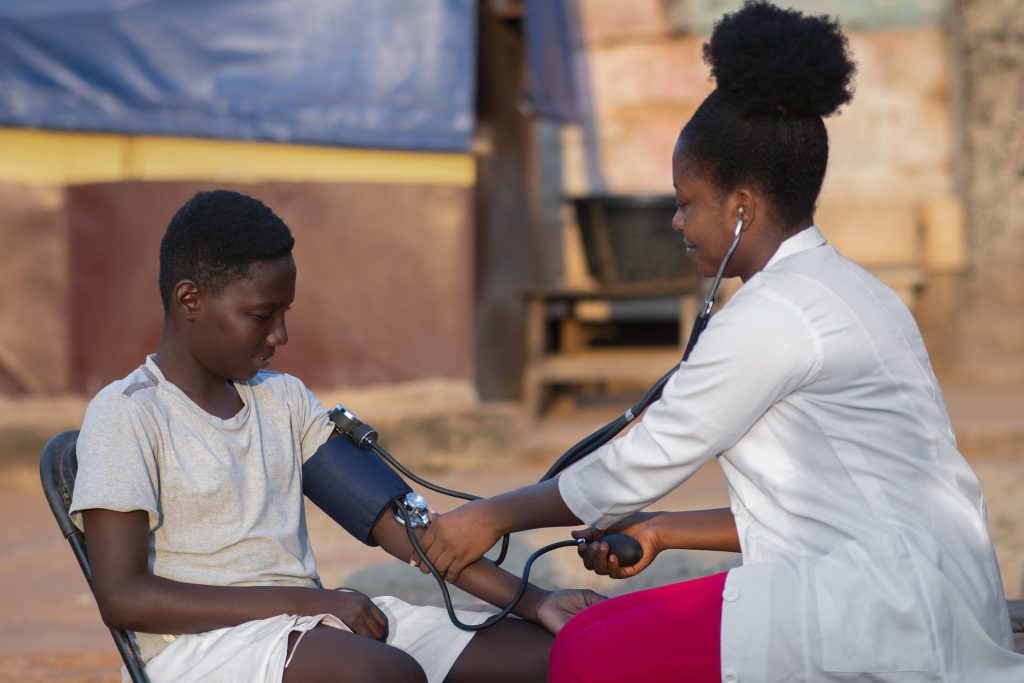
Because whether it’s a mother in labour, a student injured in an accident, or a sickle cell crisis that spirals in the middle of the night, families in emergencies across Nigeria know this story too well.
In these critical moments, where every second matters, instead of receiving immediate help, people are told to go out and look for the very thing that’s supposed to save their lives.
That’s not healthcare.
That’s a gamble.
And it’s one too many Nigerians are losing.
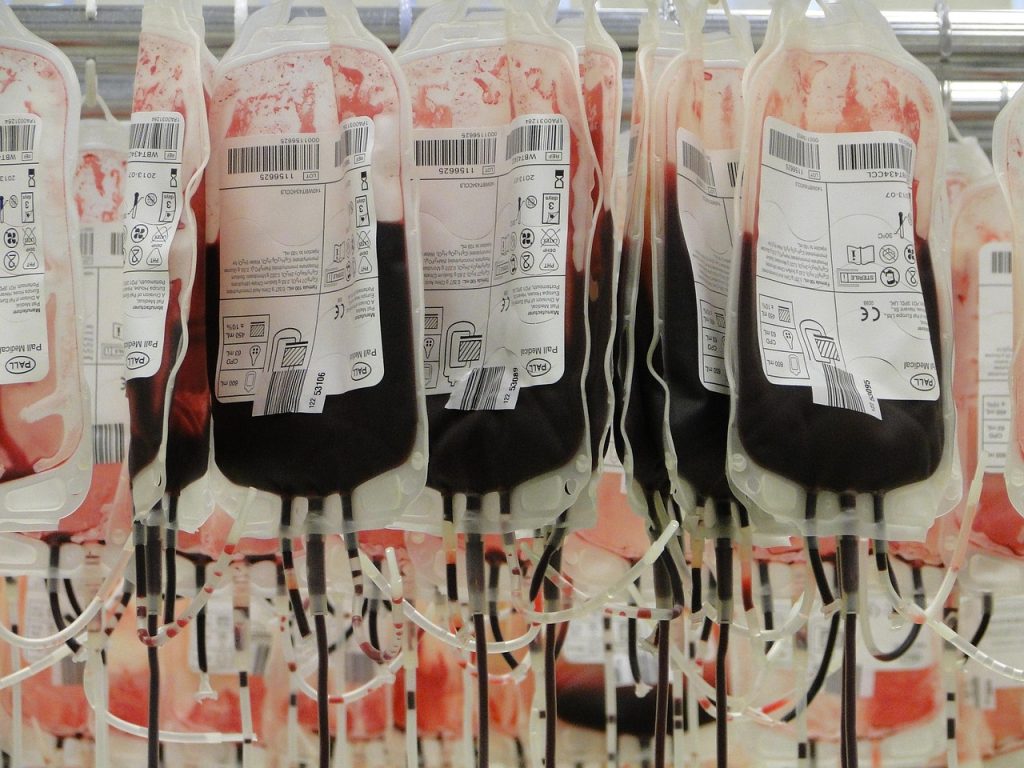
According to the National Blood Service Commission, Nigeria needs 1.8 million units of blood annually, but we collect only 500,000.
What this means is that out of every four people who need blood, three would have to die.
The numbers are horrifying. The need is urgent.
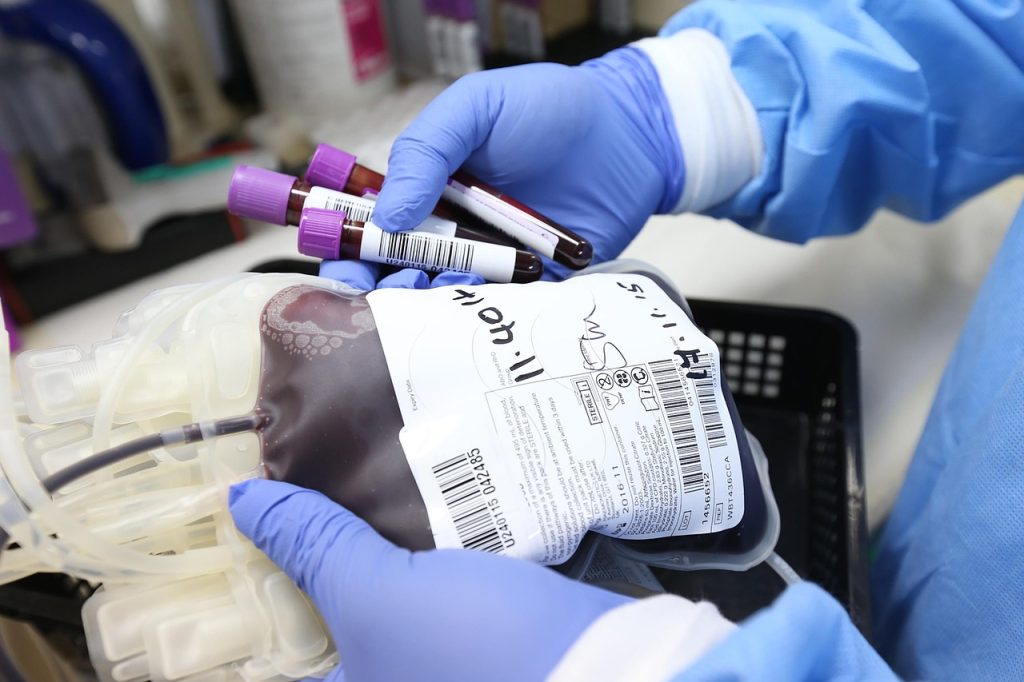
But here’s the truth: the problem isn’t that blood there is no blood. Blood is in you, in me, and in millions of healthy people across the country. So there’s blood.
And we don’t even need everyone. The WHO says that if just 1% of a population donates blood regularly, its entire national blood supply can be met.
We just need that 1% — people like you, me, and others who are able and willing.
So what’s the real problem?
It’s the absence of a coordinated system, a supportive structure, and a strong culture around voluntary blood donation:
A system that makes donating easy, simple, and stress-free.
A structure that ensures coordination is seamless and sustainable.
A culture that normalizes, encourages, and celebrates regular donation.
That’s what Blood Lines is building.
Blood lines is a tech-enabled, community-driven blood donor network connecting people in need of blood with everyday people like you and me who can give them — quickly, freely and safely — so no one has to die waiting and begging for blood.
I’m a 14-time voluntary blood donor myself. I know what’s possible, because I’ve lived it. And I know many others like me who are ready to help.
History also shows this can work. In 1921, Percy Lane Oliver — a simple librarian and member of the Camberwell Division of the Red Cross — started a voluntary donor service in the UK that grew into the modern blood donation system they have today. A system where, when blood is needed, it is simply there. No scrambling. No begging. No loss of life caused by preventable scarcity.
And many countries around the world, including some here in Africa, have reached 100% voluntary blood donation because people believed they could, and built systems that made it achievable.
We can do the same.
In fact, with today’s technology, we can build something even better.
And there’s a role for everyone.
Not all of us will be eligible to donate — though I hope many will — but we can mobilize others, spread awareness, and support the system in countless ways. In my view, that still makes all of us part of the 1%.
So the real question now is:
Do you want to be part of the 1%?
Will you help us connect the blood lines?