PREPARING FOR YOUR FIRST BLOOD DONATION: All You Need To Know Before Donating
There is always a story behind a first blood donation. Sometimes it’s a friend who needs blood urgently. Sometimes it’s something you saw online. And sometimes — like many of us — you just wake up one day and realize that giving someone a fighting chance is reason enough.
But then the questions start:
- What should I expect?
- Will it hurt?
- What should I do before I go?
- Is it safe?
This guide is for you, the first-timer standing at the edge of one of the simplest yet most profound acts of humanity.
Let’s walk through it together.
1. Start Here: Understand What You’re About to Do
A single blood donation can help save multiple lives. This is because, after collection, your blood is separated into components — red cells, platelets, and plasma — each used for different patients. Accident victims, mothers with post-delivery complications, cancer patients, and people undergoing major surgery rely heavily on this gift.
So when you donate once, you don’t just help a patient, you potentially save several.
Knowing this alone gives many first-timers the courage they need.
2. The Night Before: Set Yourself Up for a Smooth Experience
Think of blood donation as a light workout for your body; nothing strenuous, but something that requires small preparations.
Here’s what to do the day before your appointment:
Eat well. Go for a balanced meal, the kind that keeps your energy steady. Hydrate generously. Water makes your veins happier, your circulation smoother, and your donation faster. Avoid alcohol for 24 hours. It dehydrates you and can affect your vitals. Sleep well (6–8 hours). Your body performs better when rested. Skip intense physical activity. You don’t need sore muscles or fatigue working against you the next day.
These small preparations go a long way in ensuring you feel good before, during, and after your donation.
3. What to Bring (and Wear)
On the day of your donation:
Wear a loose or short-sleeved shirt.
Come with a form of ID.
And most importantly, come with a calm mind.
4. Stepping In: Arrival & Registration
When you walk in, expect a simple, friendly process:
- Registration: You’ll fill out a form with your details and medical history.
- Explanation: A staff member will walk you through what to expect.
- Consent: You’ll be asked to agree to proceed.
- Extra questions: First-time donors may get a few additional screening questions — nothing uncomfortable.
Think of this stage as the warm-up before the workout.
5. Mini Health Check: Your Safety Comes First
Every reputable blood service checks that you’re healthy enough to donate. This helps ensure your safety and the recipient’s safety.
Expect:
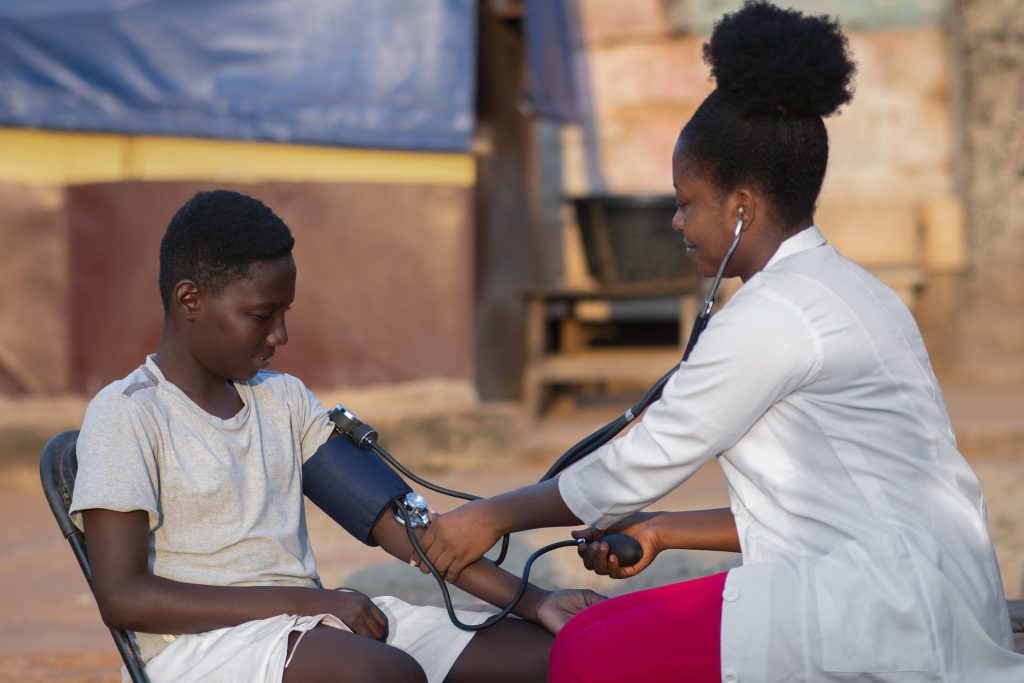
- Weight, height, blood pressure, pulse, temperature checks
- A simple finger-prick to check your hemoglobin
- Possibly, rapid screening for blood type, HIV, hepatitis, etc.
If you pass, great — you move to the donation chair.
If you don’t, the staff will kindly explain why and let you know when you can return. A “no” from the health check isn’t rejection — it’s protection.
6. The Donation: A Pause, a Pinch, a Pint
This is where most first-timers get nervous. But here’s the truth:
It’s simpler than you think.
Here’s what happens:
You sit or lie comfortably in a donor chair.
A healthcare worker cleans your arm.
A sterile, single-use needle is gently inserted. You will feel a quick pinch.
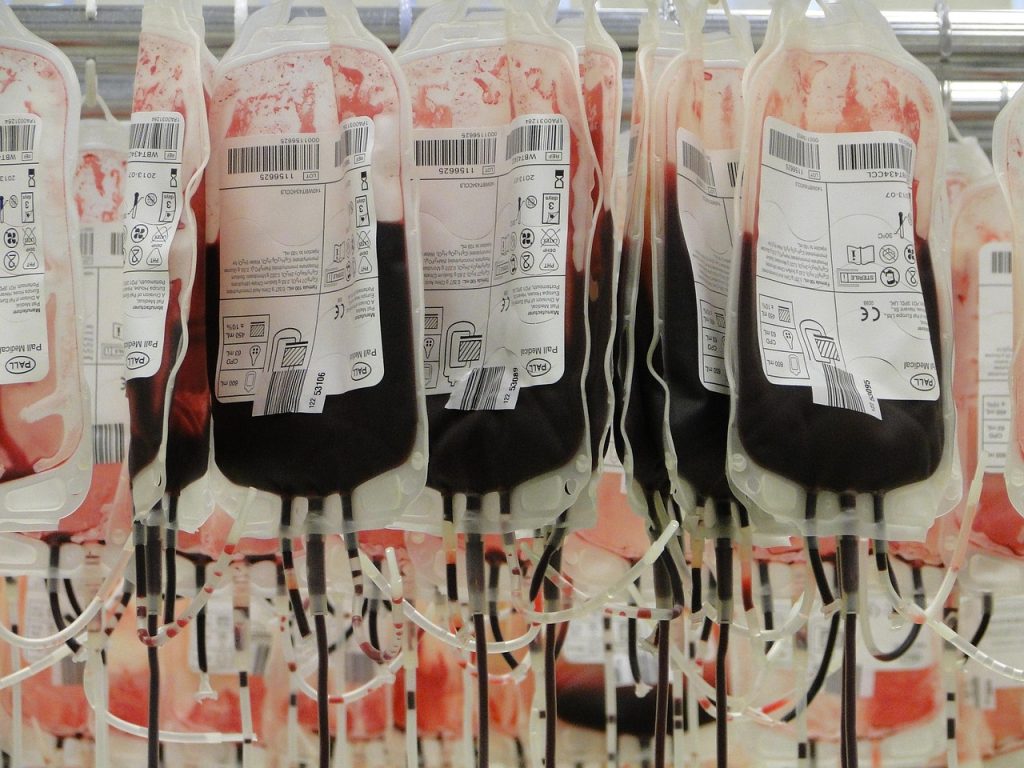
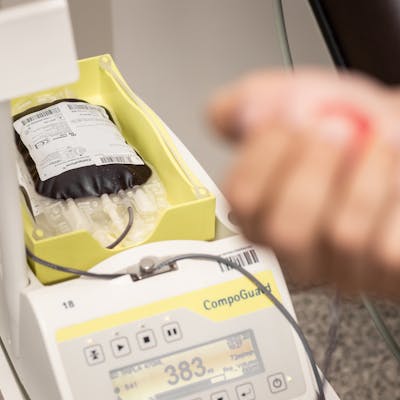
Your blood flows into a collection bag — around 450ml (a pint) — and takes about 8–10 minutes (a pause).
The needle is removed; a small bandage is applied.
Yes, it’s really that simple.
Now to the part most people worry about — the needle.
But here’s the truth:
Most first-time donors are surprised by how little it hurts. It’s a quick pinch, then it’s over.
So breathe. Relax. Look around. Think of the life you’re helping save.
7. After Donation: Rest, Sip, Refresh
Once the bag is full, you’re not rushed out. You are encouraged to rest.
Once the needle is out, you’ll rest for 10–15 minutes. You get water or juice. You get snacks. You get to breathe and take it all in.
If you feel light-headed, you simply rest longer. There’s no rush. The team is trained to help.
Try not to do anything strenuous after.
8. What Happens to Your Blood?
After you leave, your blood begins its own journey:
It’s tested for safety. It’s separated into red cells, platelets, and plasma. It’s stored carefully. And eventually, it goes to someone who needs it.
Your single donation may help more than one person. Maybe a mother fighting postpartum bleeding, maybe a cancer patient, maybe a child after an accident.
That’s the beauty of it.
Sometimes you may even receive a message days later telling you your blood has been used.
9. What Happens to You After Donation?
Your body immediately starts replenishing everything you gave.
Plasma comes back in 24 – 48 hours. Platelets in 3 – 5 days. Red cells in 4 – 6 weeks.
But beyond biology, something else happens, something emotional. You leave feeling lighter, calmer, more human. You feel like you’ve done something that matters.
And you have.